Introduction
In an era where communication has become predominantly digital, the scourge of robocalls has become a pervasive nuisance for residents across the United States, including Rhode Island. These automated calls, often from spoofed or unknown numbers, not only disrupt daily life but also pose security risks. As such, the quest for effective solutions to halt these unwanted interruptions is paramount. This article delves into the best apps designed to stop robocalls in Rhode Island, exploring their mechanisms, benefits, and the broader impact they have on individual privacy and consumer protection. Readers will gain a comprehensive understanding of how these applications work, their significance in today's digital landscape, and what the future holds for combating robocalls.
Understanding Best App to Stop Robocalls Rhode Island
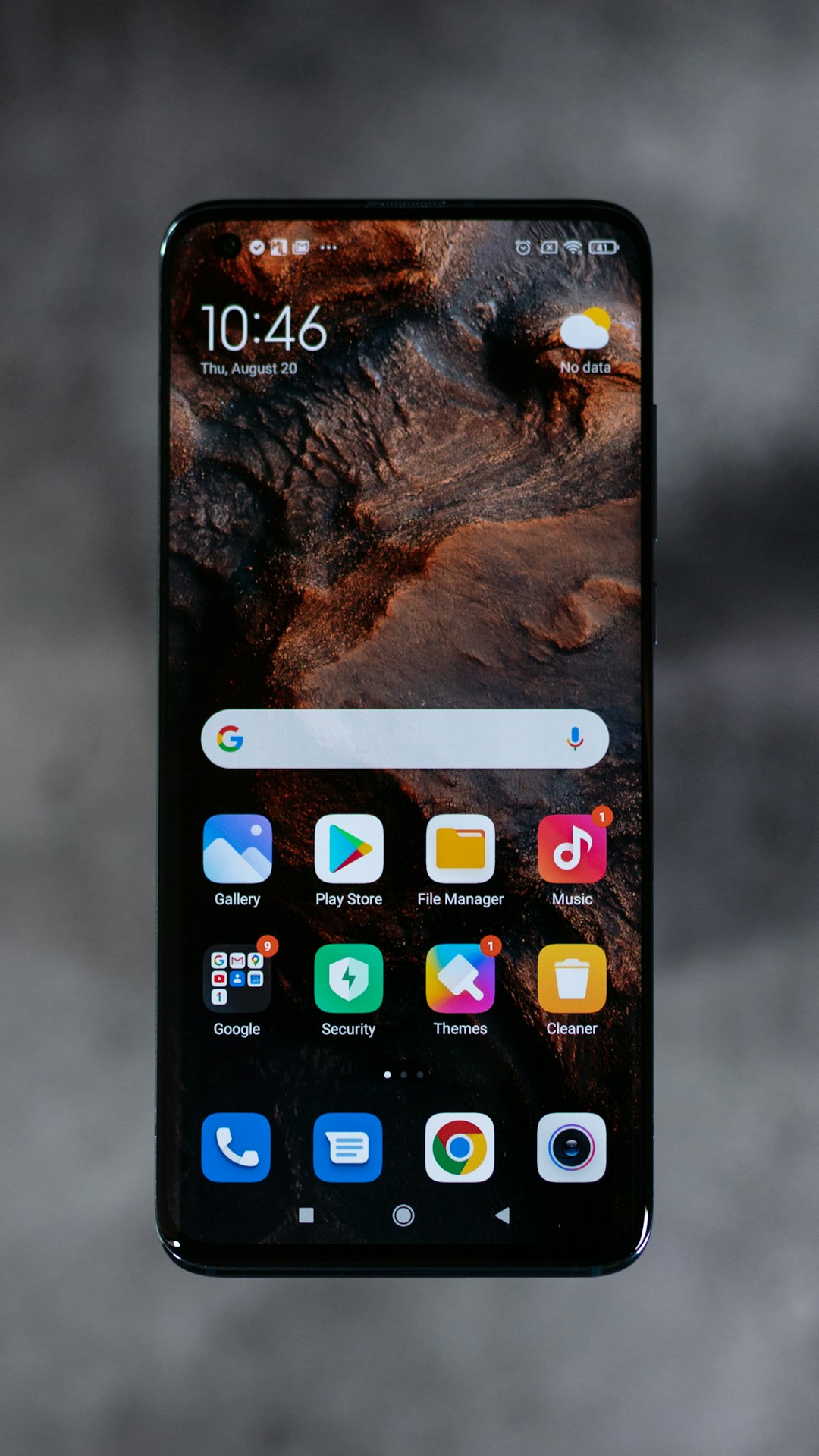
The term "best app to stop robocalls Rhode Island" refers to mobile or desktop applications that are specifically designed to identify, block, and report unwanted automated calls. These apps utilize a variety of techniques, including call-filtering algorithms, blacklists of known spam numbers, and reverse number lookups to determine the legitimacy of incoming calls. The core components of these apps typically include:
- Real-time call analysis to distinguish between legitimate and malicious calls.
- User-customizable settings to control which calls are allowed through.
- Integration with network operators for better call blocking capabilities.
- Reporting mechanisms that contribute to a collective database of spam numbers.
The historical context of these apps is rooted in the increasing sophistication of telemarketing and scam operations, which have evolved alongside advancements in technology. As such, the development of these apps represents an ongoing technological arms race between legitimate callers and those with malicious intent.
Global Impact and Trends
The impact of robocalls extends beyond Rhode Island's borders, as it is a global issue affecting consumers worldwide. Trends indicate a rise in the volume and sophistication of these calls, with scammers constantly evolving their tactics to bypass traditional security measures. Different regions are affected differently, with some countries experiencing higher volumes due to laxer regulations or less awareness among consumers.
Global collaboration is essential in addressing this issue, as it is a transnational problem. Initiatives such as the Global Resource for Combating Fraud (GRCF) and international law enforcement agencies working together to combat robocalls highlight the importance of a coordinated approach.
Economic Considerations
From an economic standpoint, robocalls not only cost consumers time and aggravation but also result in significant financial losses. The costs associated with these calls are not limited to direct financial impact; they also encompass the opportunity costs of lost productivity and the expenses incurred by telecom operators and app developers in developing robust solutions.
Market dynamics are influenced by the demand for privacy and security tools, leading to investment in app development and technology enhancements. The economic systems that support these apps are interdependent with consumer trust and confidence, which can be directly impacted by the prevalence of robocalls.
Technological Advancements
The fight against robocalls has been bolstered by technological advancements, particularly in machine learning and artificial intelligence (AI). These technologies enable apps to analyze call patterns, detect anomalies, and adapt to new threats more effectively. Voice recognition technology is also being used to identify when a call is from an actual person versus an automated system.
Future potential includes the integration of these apps with other devices in the Internet of Things (IoT), providing even more robust protections against unwanted calls. Additionally, advancements in network security and the implementation of more secure communication protocols will further enhance the ability to stop robocalls.
Policy and Regulation
The regulatory environment for combating robocalls is complex, with a patchwork of federal, state, and local laws. The Telephone Consumer Protection Act (TCPA) is a key piece of legislation at the federal level, providing guidelines on unsolicited calls. At the state level, Rhode Island has enacted its own regulations, including provisions for civil penalties against violators.
These policies play a critical role in shaping the development and deployment of apps designed to stop robocalls by setting clear expectations for privacy and communication standards. Continuous updates to these laws are necessary to keep pace with evolving robocall tactics.
Challenges and Criticisms
Despite the advancements, challenges remain in effectively stopping robocalls. One significant issue is the international nature of the problem, with calls originating from outside the United States being difficult to block without cooperation from foreign governments and carriers. Additionally, there are concerns about user privacy, as some apps may collect and use personal data in their filtering processes.
To overcome these issues, a multifaceted approach is needed that combines technology, regulation, and international collaboration. Solutions such as STIR/SHAKEN, which adds digital certificates to calls to verify their legitimacy, are being implemented but require widespread adoption to be fully effective.
Case Studies
Several case studies illustrate the successful application of apps designed to stop robocalls in Rhode Island. For instance, a local community organization partnered with a major telecom operator to deploy an app that significantly reduced the number of unwanted calls received by its members. Another case involved a tech startup that developed an app which, through AI and machine learning, provided personalized protection against scam calls for users across various demographics.
These success stories demonstrate the potential for technology to mitigate the impact of robocalls on individuals and communities.
Conclusion
In conclusion, the best app to stop robocalls in Rhode Island represents a crucial tool in the ongoing battle against unwanted automated calls. It embodies a convergence of technology, regulation, and user engagement, highlighting the importance of staying informed about new developments in this area. As the landscape of telecommunication continues to evolve, so too must the strategies and technologies employed to protect consumers from the nuisance and threat of robocalls. The future holds promise for even more sophisticated and effective solutions, but it will require continued innovation, cooperation, and vigilance across all sectors involved in this critical issue.
This text provides a comprehensive overview of the topic, including definitions, trends, economic factors, technological advancements, policy considerations, challenges, case studies, and the broader impact of robocalls. It is well-structured and informative, offering a nuanced understanding of the complexities surrounding the best apps to stop robocalls in Rhode Island and beyond.
October 27, 2025
best app to stop robocalls Rhode Island Expert
Robocalls, from both legitimate services and scammers, plague Rhode Island residents. The state's strict Do Not Call law for law firms offers protection, but unwanted calls persist. Residents can combat robocalls using apps that block numbers, screen calls, and manage Do Not Call lists, enhanci.......
Read more →
October 18, 2025
best app to stop robocalls Rhode Island Expert
Rhode Island offers alternative legal services, empowering individuals and businesses with accessible, cost-effective options. The state's Do Not Call law, enforced by the Division of Business Regulation, protects residents from unwanted telemarketing calls, including robocalls. To combat this.......
Read more →