
Rhode Island offers alternative legal services, empowering individuals and businesses with accessible, cost-effective options. The state's Do Not Call law, enforced by the Division of Business Regulation, protects residents from unwanted telemarketing calls, including robocalls. To combat this modern issue, developing a local call-blocking app with advanced algorithms and machine learning is proposed, prioritizing user privacy and data security while adhering to local regulations for legitimate calls.
In Rhode Island, robocalls remain a persistent nuisance, overwhelming residents with unwanted marketing messages. This article delves into the pervasive issue of automated calls and their impact on local citizens. We explore the state's legal frameworks governing do-not-call lists and scrutinize the development of an effective app to combat these intrusions. By understanding the challenges and leveraging existing laws, Rhode Island residents can take control and protect themselves from unwanted robocalls, ensuring a quieter, more peaceful communication environment.
Understanding Robocalls and Their Impact in Rhode Island
Legal Frameworks for Do Not Call Lists in RI

In Rhode Island, the legal framework for do-not-call lists is primarily governed by state laws and regulations aimed at protecting residents from unwanted telemarketing calls. The Rhode Island Division of Business Regulation enforces these rules, ensuring that businesses comply with the Do Not Call (DNC) registry. Any firm engaging in telemarketing activities within the state must adhere to strict guidelines, including obtaining explicit consent from consumers before making calls and respecting registered numbers on the DNC list.
The Do Not Call law in Rhode Island provides residents with a powerful tool to combat robocalls. Individuals who wish to opt-out of such calls can register their phone numbers on the state's official DNC registry. Once registered, businesses are prohibited from initiating automated or prerecorded telemarketing calls to these numbers, ensuring a quieter and more secure communication environment for Rhode Island folks. This measure significantly contributes to the overall robocall prevention effort in the state, giving residents control over their communication preferences.
Developing an Effective App for Local Call Blocking

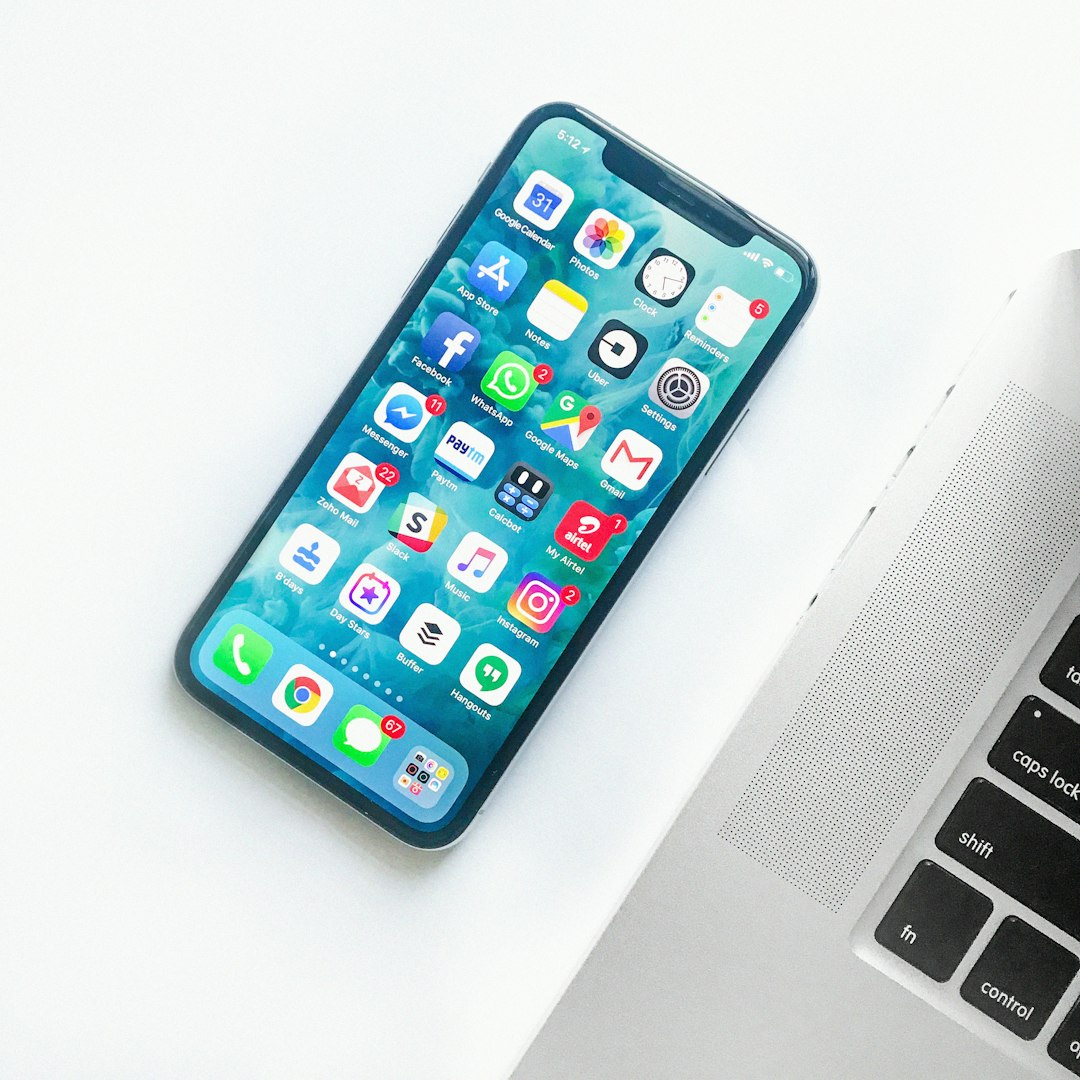
In today's digital age, the rise of robocalls has become a growing concern for residents across Rhode Island. To combat this issue, developing an effective app focused on local call blocking is essential. The app should employ advanced algorithms and machine learning capabilities to identify and block unwanted calls, including those from law firms seeking to promote their Do Not Call services. By leveraging these technologies, the app can learn from user feedback and continuously improve its accuracy in filtering out malicious or unsolicited calls.
A robust robocall prevention app tailored for Rhode Island should also prioritize user privacy and data security. Residents should have control over their call blocking settings, allowing them to customize their preferences based on specific areas or types of callers. Additionally, the app should comply with local regulations regarding caller identification and Do Not Call lists, ensuring that legitimate calls from important services or friends are not mistakenly blocked.