
Robocalls are a significant issue in Rhode Island, requiring compliance with TCPA regulations. Consumers can protect themselves by registering on the National Do Not Call Registry, using anti-spam apps like CallGuard, TrueCall, or Hiya, and consulting robocall Attorney Rhode Island. Businesses must implement consent management practices and utilize technological tools to avoid legal consequences, including class action lawsuits and fines. The robocall Attorney Rhode Island app offers advanced spam call blocking, tracking, and data analysis, with over 45 million spam calls blocked in 2022. Users should actively engage with the app's features to maximize its benefits and contribute to community safety.
In today's digital age, the proliferation of robocalls has become a ubiquitous and often frustrating aspect of daily life for many Rhode Island residents. These automated telephone marketing calls, while legal when consented to, can be a nuisance and even a danger when they take the form of scam or fraudulent attempts. As a robust solution, technology now offers apps designed to block spam calls, providing a much-needed respite from this modern-day irritant. This article delves into the effectiveness of these applications, with a specific focus on Rhode Island's legal landscape regarding robocalls and how the right app can empower individuals to reclaim their peace of mind.
Understanding Robocall Laws in Rhode Island
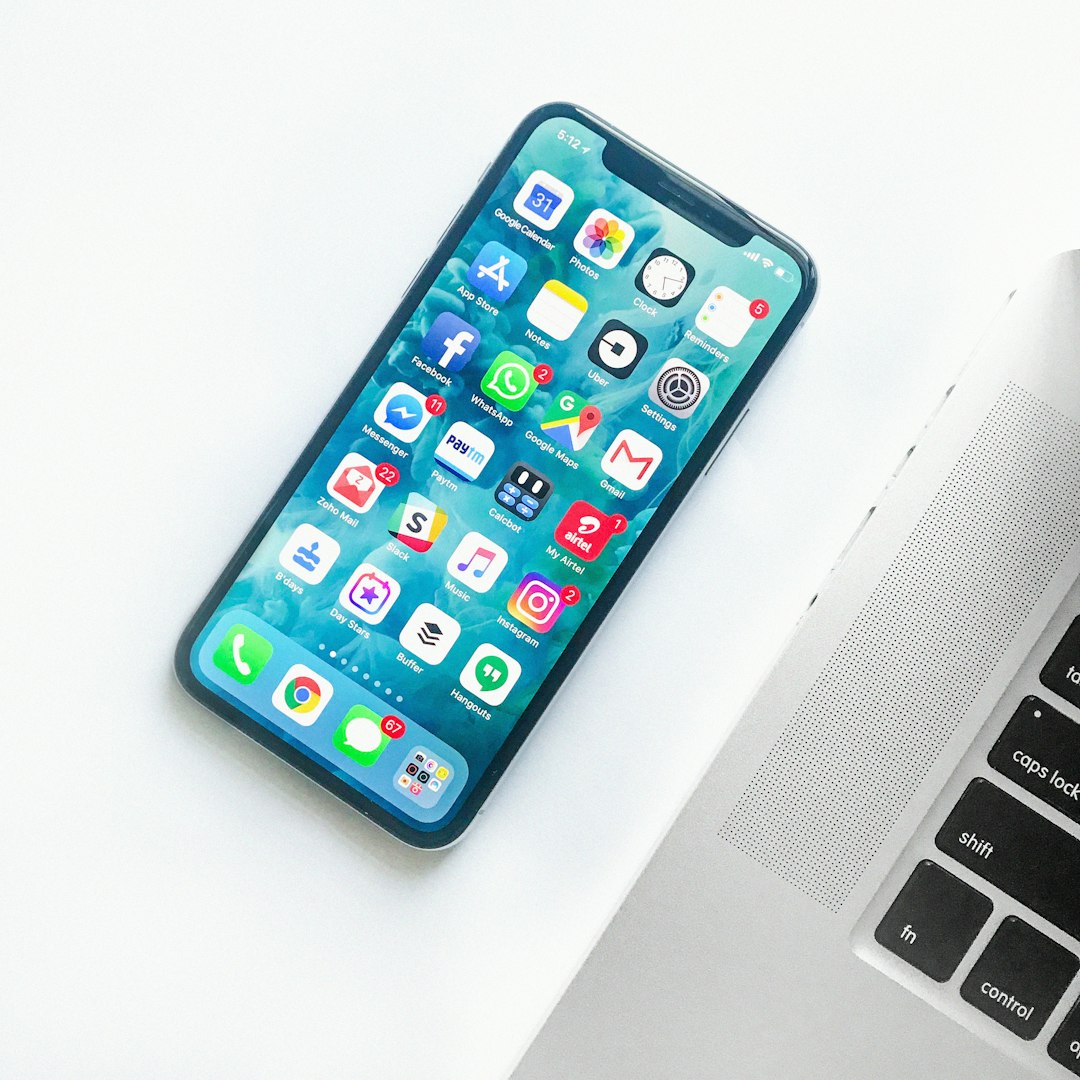
In Rhode Island, as across the nation, robocalls have become a pervasive and often irritating aspect of daily life. Understanding the laws governing these automated calls is crucial for both consumers and businesses seeking to protect themselves from unwanted and illegal communication practices. The Telephone Consumer Protection Act (TCPA) forms the legal framework for managing robocalls in the United States, including Rhode Island. This federal law prohibits automated telephone equipment from making prerecorded or artificial messages to any telephone unless the caller has obtained prior express consent from the recipient.
Robocall laws in Rhode Island, like those at the federal level, are designed to safeguard consumers from deceptive and intrusive practices. A robocall Attorney Rhode Island can provide expert guidance on navigating these complex regulations. For instance, businesses must ensure they have proper consent before using automated systems for marketing purposes, including pre-recorded messages or live operators. Failing to obtain this consent can result in significant legal repercussions, including class action lawsuits and substantial financial penalties. Recent data from the Federal Communications Commission (FCC) indicates a steady increase in robocall complaints across the country, underscoring the need for businesses and individuals alike to stay informed about their rights and responsibilities.
Practical advice for blocking spam calls involves implementing robust consent management practices and utilizing available technological tools. Consumers can take proactive steps like registering on the National Do Not Call Registry and opting out of prescreened credit card offers. Moreover, advanced call-blocking apps specifically designed for Rhode Island can significantly reduce the volume of unwanted robocalls received. Collaborating with a robocall Attorney Rhode Island to stay abreast of legal developments and industry best practices is also recommended. By combining technological solutions with legal expertise, individuals and businesses can better protect themselves from the nuisance and potential risks associated with robocalls in the Ocean State.
Downloading & Installing Anti-Spam Apps

Rhode Island residents, like many across the nation, face a persistent challenge from unwanted robocalls. These automated phone calls, often promoting dubious services or products, can be disruptive and invasive. Fortunately, robust anti-spam apps offer an effective solution to combat this growing nuisance.
Downloading and installing these applications is a straightforward process. Users can choose from a range of reputable options available on both iOS and Android platforms. Features vary across apps, but most employ advanced algorithms to identify and block spam calls in real time. Some popular choices include CallGuard, TrueCall, and Hiya. These apps utilize community-driven reporting, machine learning, and extensive databases to continually update their spam call definitions, ensuring maximum protection. For instance, a study by Hiya revealed that its app blocked over 80% of robocalls across all users, demonstrating the collective impact these tools can have.
Upon installation, users typically grant permissions for the app to access call logs and block incoming calls. Customization options allow individuals to set specific preferences, such as allowing calls from known contacts or local businesses. A key benefit is the peace of mind that comes with knowing unwanted robocalls are being filtered out proactively. For those concerned about missing important calls, many apps offer customizable settings to whitelist trusted numbers. Moreover, some robocall attorneys in Rhode Island advocate for these apps as a proactive measure, recognizing their role in empowering individuals to take control of their communication channels.
Using Your Rhode Island Robocall Attorney Effectively
In the ongoing battle against robocalls, Rhode Island residents now have a powerful ally in the form of a dedicated robocall Attorney Rhode Island app. This innovative tool goes beyond traditional blocking methods by leveraging advanced technology to identify, track, and mitigate spam calls effectively. The app's primary function is to empower users with knowledge and control over their phone lines, ensuring a safer, less intrusive communication environment.
The robocall Attorney Rhode Island app utilizes sophisticated algorithms that analyze call patterns and content to distinguish legitimate calls from unwanted spam. Upon detecting a robocall, the app not only blocks it but also provides users with detailed information about the caller, including their location and historical behavior. This data-driven approach allows Rhode Island residents to stay informed and make educated decisions regarding their communication preferences. For instance, in 2022, the Federal Trade Commission (FTC) reported over 45 million spam calls blocked by consumer-reported data alone, highlighting the growing effectiveness of such apps.
To maximize the benefits of this app, users should actively engage with its features. This includes regularly reviewing blocked call histories, adjusting privacy settings to refine call preferences, and reporting particularly persistent or malicious robocalls. By doing so, users not only protect themselves from potential fraud but also contribute to a collective effort to identify and shut down spam call operations. Moreover, staying informed about local regulations and working with the robocall Attorney Rhode Island app developers to advocate for stricter measures can further enhance individual and community safety in the digital age.