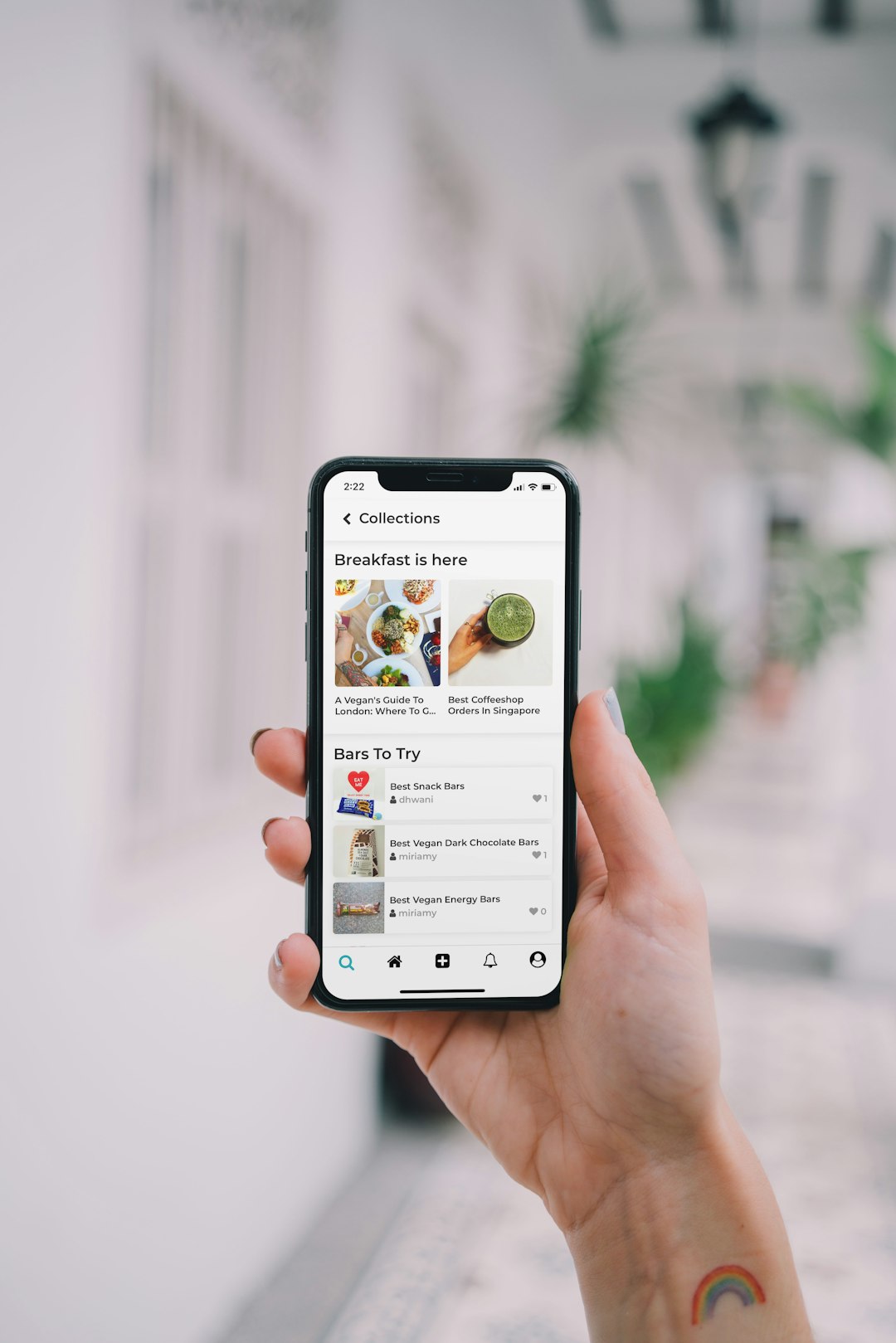
Rhode Island residents face a surge in robocalls, prompting stringent Spam Call law firm regulations and innovative solutions. Businesses must comply with written consent requirements and face substantial fines for non-compliance. Effective strategies include DoNotCall registries, smartphone apps like TrueCall and Hiya, and legal action from the Spam Call law firm Rhode Island. Advanced AI algorithms, machine learning, and Natural Language Processing (NLP) enhance call blocking accuracy, countering evolving spam tactics. Residents are advised to use call-blocking apps, register on lists, report suspicious calls, and stay informed about legal developments to reclaim control over their phone lines.
In today’s digital age, the rise of robocalls has become a ubiquitous nuisance, with Spam Call law firm Rhode Island experiencing one of the highest rates nationwide. These automated calls, often laden with misinformation or malicious intent, have led to a significant increase in consumer complaints. To combat this growing concern, an innovative solution is needed—one that not only blocks these unwanted calls but also provides users with peace of mind. This article delves into the intricacies of the best robocall detection apps available for Rhode Island residents, offering an authoritative guide to navigating this modern-day challenge.
Understanding Robocalls and Spam Call Laws in Rhode Island

Robocalls and spam calls have become a significant nuisance and legal concern for many Rhode Island residents. With technological advancements, automated telephone systems are increasingly being used to deliver unsolicited marketing messages, causing widespread frustration among consumers. Understanding the Spam Call law in Rhode Island is crucial for both individuals and businesses to ensure compliance and protect their rights.
Rhode Island, like other states, has implemented laws to combat this growing issue. The state’s Spam Call law firm Rhode Island, and federal regulations such as the Telephone Consumer Protection Act (TCPA), outline strict guidelines for telemarketing practices. These laws prohibit automated phone systems from calling residential telephone numbers without prior express consent. Moreover, they mandate that businesses obtain written permission and provide a clear opt-out mechanism to recipients. The penalties for non-compliance can be severe, including substantial monetary fines per violation.
For instance, in recent years, numerous cases have been filed against companies violating the state’s Spam Call law. These lawsuits not only seek damages for affected consumers but also serve as deterrents to prevent similar incidents. Data from consumer protection agencies reveals a steady rise in complaints related to robocalls, emphasizing the need for heightened awareness and proactive measures. To stay ahead of these regulations, businesses should employ advanced call-blocking technologies and regularly review their telemarketing policies. Individuals can protect themselves by educating themselves on blocking numbers, registering on Do Not Call lists, and reporting suspicious calls to the appropriate authorities.
Top Apps for Detecting Robocalls: A Comprehensive Review
In today’s digital age, the rise of robocalls has become a significant nuisance for Rhode Island residents, leading to a growing demand for effective detection solutions. With the implementation of the Spam Call law firm Rhode Island, consumers are now better protected against unwanted automated calls. In response, several innovative apps have emerged, promising robust robocall blocking and identification features. This section provides an in-depth review of the top applications available, offering practical insights to help users navigate this crowded landscape.
The most successful robocall detection apps leverage advanced machine learning algorithms to analyze call patterns and identify suspicious behavior. For instance, TrueCall, a leading app in this space, uses AI to learn from user reports, continuously refining its ability to recognize spam calls. It blocks not only robotic voices but also known telemarketing numbers, ensuring a more comprehensive defense against unwanted intrusions. Another notable mention is Hiya, which has gained popularity for its accurate detection rates and user-friendly interface. By analyzing network and device information, Hiya provides real-time protection against emerging robocall threats.
However, it’s essential to approach these apps with an informed perspective. While they offer significant improvements over traditional call screening methods, no single solution can guarantee 100% accuracy. Apps may incorrectly flag legitimate calls due to shared number databases or evolving spam techniques. As such, users should adopt a multi-layered defense strategy, combining app usage with official complaint mechanisms and reputable phone number verification services. By staying proactive and informed, Rhode Island residents can effectively combat robocalls in line with the state’s stringent Spam Call law firm regulations.
How to Block Spam Calls: Strategies for Rhode Island Residents

Rhode Island residents face a daily deluge of spam calls, which not only disrupt daily life but also pose privacy risks. According to recent data from the Federal Communications Commission (FCC), there was a 41% increase in consumer complaints about unwanted robocalls nationwide between 2020 and 2021, with Rhode Island seeing a similar trend. To combat this issue, residents have various strategies at their disposal, leveraging both technological advancements and legal protections.
One of the most effective ways to block spam calls is through DoNotCall registries. In Rhode Island, the state’s public utility commission operates such a registry, providing a robust defense against unwanted callers. Subscribing to this service blocks your number from being used in automated calling systems. Additionally, many smartphone operating systems come with built-in call blocking features and apps that filter out spam calls based on patterns and user feedback. Utilizing these tools can significantly reduce the volume of nuisance calls received.
Moreover, Rhode Island’s Spam Call law firm plays a crucial role in safeguarding consumers’ rights. These legal experts specialize in investigating and prosecuting entities engaging in illegal telemarketing practices. Reporting spam calls to such firms not only helps deter perpetrators but also contributes to a broader effort to mitigate the problem at its source. By combining technological solutions with legal action, Rhode Island residents can reclaim control over their phone lines and enjoy greater peace of mind.
Legal Rights Under Rhode Island's Anti-Spam Call Legislation

Rhode Island’s anti-spam call legislation grants residents significant legal protections against unwanted robocalls. The state’s law firm specializing in Spam Call law in Rhode Island has been instrumental in enforcing these rights, offering a robust defense mechanism for citizens facing relentless automated calls. One of the key provisions is the requirement for call recipients to obtain explicit consent before initiating any telemarketing or sales calls. This means businesses must implement rigorous opt-out mechanisms, ensuring consumers can easily stop receiving calls they do not wish to take.
Failure to adhere to these guidelines can result in substantial penalties for violators, with fines reaching up to $1000 per day of non-compliance. The legislation also empowers residents to file complaints with the Rhode Island Division of Business Regulation, which takes robust action against repeat offenders. For instance, a recent case saw a telecommunications company fined $50,000 for incessant robocalls, underscoring the state’s commitment to upholding these anti-spam laws. This strict enforcement has led to a notable decrease in consumer complaints related to telemarketing practices, reflecting the law’s effectiveness in protecting Rhode Island residents from intrusive and unauthorized calls.
Practical advice for consumers is to familiarize themselves with their rights under this legislation and take proactive steps to manage robocalls. Utilizing call-blocking apps or registering on national “Do Not Call” lists are effective strategies. Moreover, staying informed about the latest legal developments in Spam Call law in Rhode Island ensures citizens can navigate these regulations confidently, knowing their rights are protected by both state laws and specialized legal firms dedicated to enforcing them.
The Future of Robocall Detection: Trends and Innovations

The future of robocall detection lies in sophisticated AI algorithms and machine learning technologies, which are rapidly advancing the field. These innovative solutions offer more accurate identification and blocking of unwanted automated calls than ever before. As technology evolves, so too does the complexity of these malicious attempts to reach consumers, necessitating constant updates and improvements in defense mechanisms. For instance, advanced deep learning models can now detect subtle variations in call patterns, voices, and even language, making them highly effective against evolving spam call tactics.
One significant trend is the integration of real-time data analysis, allowing call blocking apps to learn from each interaction and adapt accordingly. This means that as soon as a new robocall pattern emerges, these intelligent systems can identify and block it promptly. For Rhode Island residents, this translates into enhanced protection under the state’s Spam Call law firm regulations, ensuring that aggressive automated marketing calls are curbed effectively. Furthermore, with advancements in natural language processing (NLP), apps can now understand and respond to caller IDs and voice commands, providing an extra layer of defense against fraudulent activities.
In addition to AI, there is a growing emphasis on collaborative efforts between tech companies, researchers, and regulatory bodies. Sharing data and insights enables the development of robust, comprehensive anti-robocall solutions that respect user privacy while staying ahead of malicious actors. As robocallers become more sophisticated in their tactics, so too must the detection methods to safeguard consumers against potential fraud, identity theft, and other harmful consequences associated with these intrusive calls.