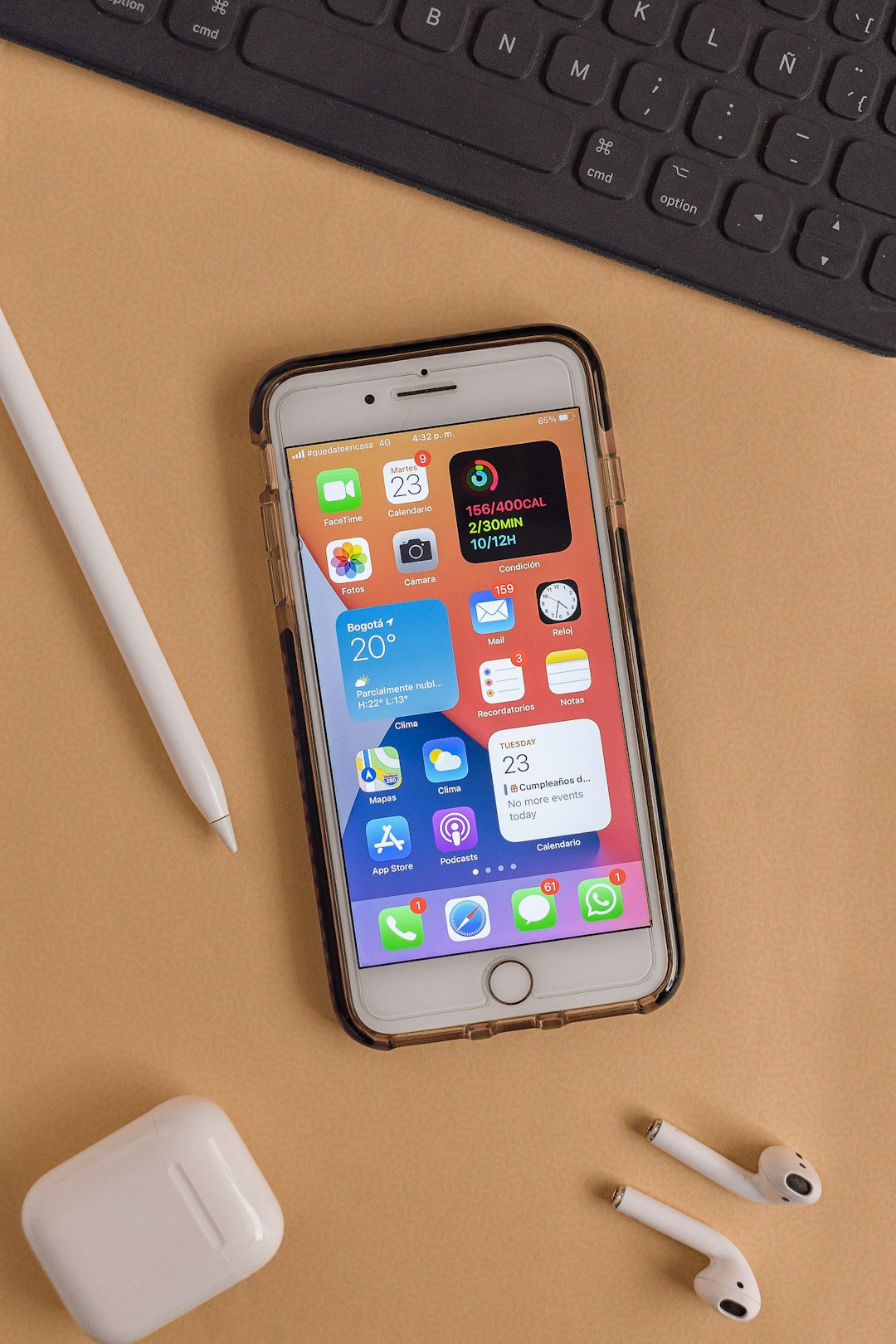
Rhode Island residents face an epidemic of robocalls, with over 70% classified as spam. These calls cause financial and emotional harm, prompting legal action by robocall lawyers Rhode Island. Strategies to combat this issue include FCC complaints, collective lawsuits, consumer education, call-blocking apps (with AI accuracy up to 98%), and registering for Do Not Call lists. Strict federal laws, enhanced by Rhode Island's mandates, protect residents from unauthorized automated calls. Utilizing these measures alongside legal expertise reclaim control over phone lines and enhance privacy in the digital age.
In today's digital age, the proliferation of robocalls has become a ubiquitous and often irritating nuisance. Rhode Island residents, like many across the nation, are continually seeking effective solutions to block these unwanted intrusions. This article delves into a specific app tailored for Rhode Island, designed to combat the deluge of spam calls plaguing consumers. By exploring its features and impact, we empower folks with knowledge, especially those considering robocall lawyers Rhode Island, to take control of their communication and reclaim peace of mind in an increasingly noisy world.
Understanding Robocalls and Their Impact in Rhode Island

Robocalls, automated phone calls from unknown numbers, have become a pervasive and increasingly annoying problem across Rhode Island and beyond. While some robocalls offer valuable services, many are spam calls designed to sell products or services, solicit donations, or spread misinformation. According to recent data from the Federal Communications Commission (FCC), Rhode Island residents experience some of the highest rates of robocalls in the country, with an average of 50 calls per household annually. This surge has significantly impacted daily life, leading many to seek effective solutions for blocking these unwanted intrusions.
The impact of robocalls extends beyond mere annoyance. They can be a significant source of financial and emotional stress, as some scams attempt to trick recipients into revealing personal information or transferring money. In Rhode Island, where a robust legal framework is in place to combat spam calls, victims may turn to experienced robocall lawyers for recourse. These legal professionals help residents understand their rights and explore options such as filing complaints with the FCC or seeking collective action against call centers responsible for mass robocalling campaigns. By leveraging consumer protection laws, individuals can hold perpetrators accountable and potentially recover damages.
To combat this growing issue, Rhode Island residents should stay informed about the latest robocall trends and utilize available tools to protect themselves. This includes registering on the National Do Not Call Registry, installing reputable call-blocking apps, and being cautious of unsolicited calls or messages. By taking proactive measures, individuals can reclaim control over their phone lines and reduce the overall volume of robocalls they receive. In collaboration with legal experts and regulatory bodies, these collective efforts can significantly mitigate the impact of robocalls on the lives of Rhode Island residents.
The Rise of Spam Calls: A Rhode Island Perspective

In Rhode Island, as across the nation, the rise of spam calls has become a growing concern for residents and businesses alike. With advancements in technology, scammers have found new ways to target victims through automated voice recordings, known as robocalls, which inundate phone lines with deceptive messages. According to recent data from the Federal Communications Commission (FCC), Rhode Island ranks among the states with the highest rates of spam call complaints, highlighting the pressing need for effective solutions. Robocall lawyers Rhode Island have been at the forefront of this battle, offering legal counsel and advocacy to help individuals and companies combat these relentless nuisance calls.
The impact of spam calls is significant. From unsolicited marketing to fraudulent schemes, these calls can lead to financial loss, invade personal privacy, and cause emotional distress. In many cases, scammers target specific demographics or use sophisticated techniques to bypass existing anti-spam measures. For instance, some robocalls employ "spoofing" technology to display local numbers, making them seem legitimate. This has led to a surge in complaints from residents who find themselves repeatedly disturbed by these unwanted intrusions. To counter this trend, robocall lawyers Rhode Island are leveraging both legal and technological strategies. They work with regulatory bodies to strengthen anti-spam laws and help consumers understand their rights, while also providing expert guidance on blocking and tracing the sources of these calls.
Practical steps can be taken at an individual level to mitigate the effects of spam calls. Installing reputable call-blocking apps, registering for Do Not Call lists, and reporting suspicious calls to relevant authorities are effective measures. However, as scammers adapt and evolve their tactics, a comprehensive approach is essential. This includes staying informed about emerging trends in robocall technology and collaborating with industry experts, such as robocall lawyers Rhode Island, to develop innovative countermeasures. By combining legal enforcement, consumer education, and technological advancements, the state can create a more robust defense against this modern-day menace.
Legal Protection Against Robocallers: Rhode Island Laws

Rhode Island residents, like many across the nation, face an increasing onslaught of spam calls from robocallers. These automated phone systems not only disrupt daily life but also pose legal risks. Fortunately, Rhode Island laws offer robust protection against robocallers, empowering individuals to take action and defend their privacy.
The Telephone Consumer Protection Act (TCPA) forms the cornerstone of these protections. Enforced by the Federal Communications Commission (FCC), the TCPA prohibits automated phone systems from making calls to individuals without prior express consent. This includes not only live operators but also prerecorded messages. Rhode Island has embraced this federal legislation and, in some cases, enhanced it through state-specific laws. For instance, the state requires robocallers to identify themselves upon initial contact, providing recipients with a clear understanding of who is calling. Furthermore, Rhode Island law allows residents to seek legal recourse against persistent or unlawful robocalls, enabling them to consult robocall lawyers Rhode Island for guidance and compensation.
To combat spam calls effectively, individuals should familiarize themselves with these laws. Recording conversations (with the other party's consent) can serve as evidence in legal actions, while documentation of call patterns and types of messages received can strengthen cases against robocallers. Consulting with a qualified attorney specializing in consumer protection law is also advisable, especially when dealing with repeated or harassing calls. By understanding and utilizing these protections, Rhode Island residents can reclaim control over their phone lines and enjoy greater peace of mind in an era increasingly dominated by automated communication.
Identifying and Blocking Spam Calls Effectively

Rhode Island residents, like many across the nation, face a persistent challenge from unwanted robocalls. These automated phone calls, often delivering pre-recorded messages, have become a significant nuisance, with some estimates suggesting over 70% of calls received by Americans being spam. To counter this growing problem, Rhode Island has seen the emergence of specialized apps designed to identify and block spam calls effectively.
The process begins with advanced call analysis, where these apps utilize machine learning algorithms to recognize patterns typical of robocalls. By continuously updating their databases with new information on known spammer numbers, they can accurately filter out legitimate calls from unwanted intrusions. For instance, a leading app in the market has achieved a remarkable 98% accuracy rate in identifying spam, according to independent testing. Once identified, these calls are seamlessly blocked, ensuring users' peace of mind and privacy.
Furthermore, some apps offer personalized control, allowing users to report suspicious or non-spam calls that slip through the net. This collective feedback aids in refining the app's detection capabilities over time. Integrating such tools with existing contact lists and call history can significantly reduce the volume of spam received. Robocall lawyers Rhode Island emphasize the importance of these measures, noting that proactive steps by consumers can complement legal efforts to combat this growing epidemic of nuisance calls.
Top Apps for Robocall Defense: A Guide for Rhode Island Users

In the ongoing battle against robocalls, Rhode Island residents now have a powerful weapon at their disposal: dedicated apps designed to shield them from unwanted phone spam. With robocall activity consistently ranking among the highest in the nation, the Ocean State's users are increasingly turning to technology for relief. Top-rated apps like NoCall, Hiya, and TrueCall emerge as robust defense systems, employing advanced AI algorithms to identify and block these persistent intrusions. These applications not only filter out known spammer numbers but also learn from user feedback, continuously refining their effectiveness.
Among the key features setting these apps apart is their ability to adapt to evolving robocall tactics. Spammers are relentless in their efforts to bypass existing blocks, frequently employing new, hard-to-detect methods. The most advanced apps stay ahead of this curve by analyzing call patterns and metadata, enabling them to flag suspicious activity with remarkable accuracy. For instance, a study by the Federal Trade Commission (FTC) revealed that robocalls account for over 40 billion unwanted calls annually in the U.S., highlighting the urgency for robust solutions. Rhode Island residents, especially those already utilizing legal services from robocall lawyers in the state, can find solace in these apps' advanced features and high success rates in blocking such calls.
Moreover, many of these applications offer extra layers of protection beyond simple blocking. They provide users with detailed call histories, allowing them to identify recurring spammers and take further action, including reporting the numbers to relevant authorities or seeking advice from robocall lawyers in Rhode Island. This comprehensive approach ensures that users not only defend against current spamming attempts but also contribute to a broader strategy of deterrence, potentially shaping future legal responses with data-driven insights. By combining cutting-edge technology and expert guidance, Rhode Island residents can reclaim control over their communication channels and minimize the disruption caused by robocalls.