
Rhode Island's Do Not Call laws protect residents from unwanted telemarketing calls, with business restrictions unless consent is given. Residents can register numbers online to opt-out. Robocall protection apps using blocking and screening offer significant reduction in intrusive calls, especially for law firm robocalls. Regular app updates and knowledge of local laws enhance effectiveness. National Do Not Call Registry and reporting suspicious calls also help combat the issue. Combining app solutions with best practices ensures a quieter communication experience.
In today's digital era, robocalls have become a pervasive nuisance, with an estimated 40 billion automated calls made globally each year. Rhode Island residents, like many across the country, face a deluge of unsolicited calls, including those from law firms, despite clear regulatory frameworks like the Do Not Call Law. This article delves into the challenges posed by these relentless calls and introduces a comprehensive solution: a user-friendly app designed to protect Rhode Island citizens from unwanted robocalls. By leveraging cutting-edge technology, this innovative tool offers a silent yet powerful weapon against intrusive automated communications.
Understanding Rhode Island's Do Not Call Laws
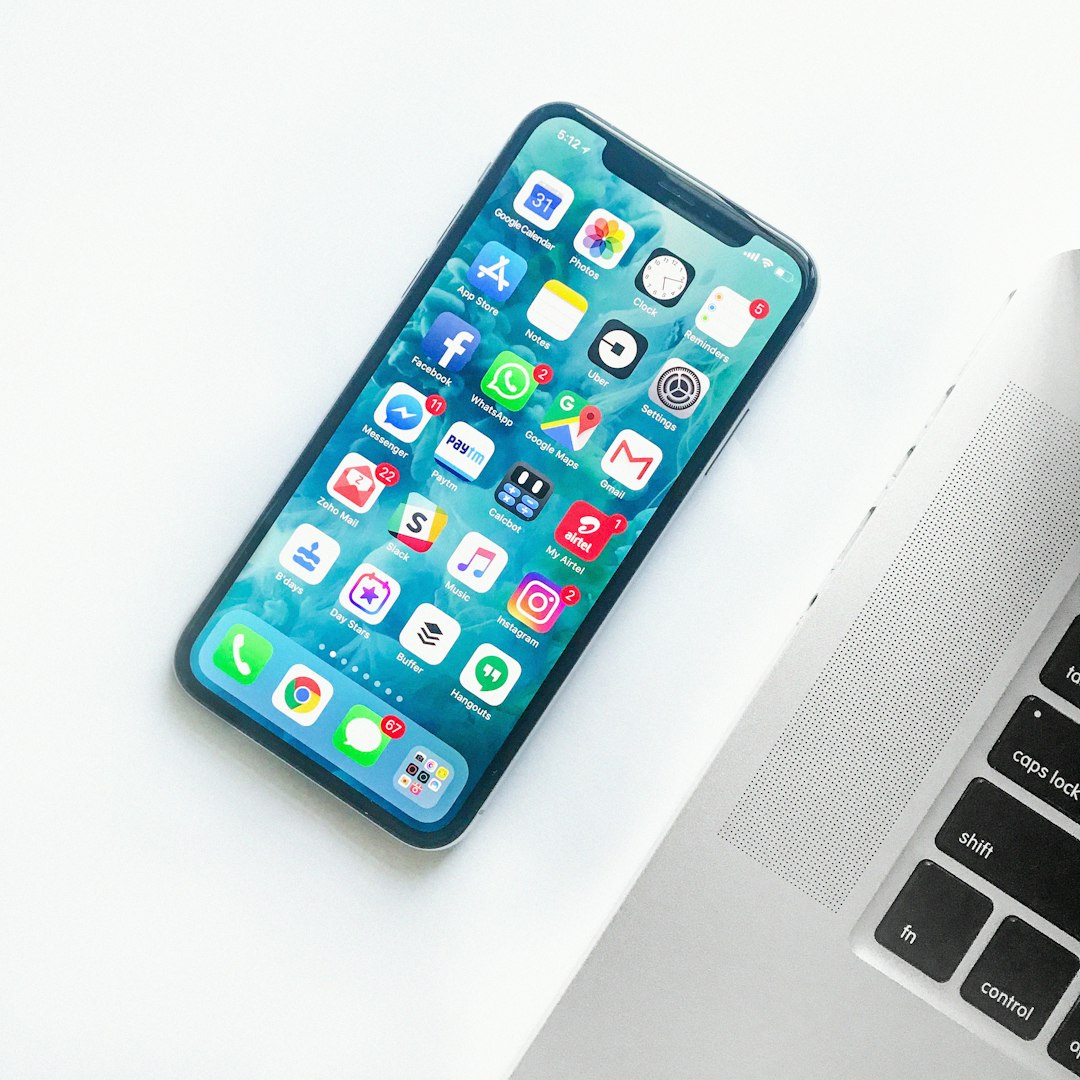
Rhode Island's Do Not Call laws are designed to protect residents from unwanted telemarketing calls, offering a significant layer of protection for consumers. These regulations mirror federal guidelines established by the Telemarketing and Consumer Fraud and Abuse Prevention Act (TCFAPA), but with some distinct state-specific nuances. The key to navigating these laws lies in understanding which calls are permissible and how to register for protection.
In Rhode Island, businesses are prohibited from making telemarketing calls to residents who have registered their phone numbers on the state's Do Not Call list. This includes calls initiated by live operators or automated systems, such as robocalls. The law covers a wide range of marketing purposes, including sales, promotions, and fund-raising activities. However, it's worth noting that certain types of calls are exempt, such as those from non-profit organizations, political campaigns, or if the caller has obtained prior express consent from the recipient.
To exercise your rights under Rhode Island's Do Not Call law, residents can register their phone numbers by visiting the state's official website or contacting local consumer protection agencies. Once registered, businesses are prohibited from calling these numbers unless they have explicit permission. Effective enforcement of this law relies on consumers knowing their rights and taking proactive measures to protect themselves. By registering and understanding the Do Not Call laws, Rhode Island residents can significantly reduce the volume of unwanted robocalls they receive.
Installing and Using Robocall Protection Apps

Installing a robocall protection app is a significant step towards reclaiming control of your phone from unwanted callers. In Rhode Island, where Do Not Call laws are stringent, especially when it comes to law firm robocalls, these apps offer a powerful tool for residents. The process begins with selecting an app that aligns with your needs—some focus on blocking specific numbers or types of calls, while others provide advanced features like automated call screening and real-time notifications. Once downloaded, users should spend time configuring settings to ensure maximum effectiveness. This includes registering phone numbers to block, setting preferences for call handling, and enabling any additional security measures offered by the app.
During setup, it's crucial to review the app's privacy policies and permissions, especially concerning access to your contact list and call history. Reputable apps prioritize user privacy, but it remains a critical consideration. Once configured, these applications actively monitor incoming calls, filtering them based on pre-set rules. For instance, an app might automatically block calls from unknown numbers or those matching known robocall patterns. In Rhode Island, where many legitimate businesses respect Do Not Call laws, such apps can significantly reduce the volume of disruptive calls, providing residents with more peaceful and productive interactions.
Regular updates are vital for maintaining robust protection against evolving robocall techniques. Users should enable automatic updates to ensure their app remains effective against new scams and tactics. Additionally, staying informed about local Do Not Call laws and regulations is beneficial, as these can impact how effectively these apps work. By combining the power of technology with a keen awareness of legal protections, Rhode Island residents can enjoy greater peace of mind when answering their phones.
Protecting Yourself from Unwanted Calls: Best Practices
In Rhode Island and across the nation, unwanted robocalls have become a pervasive nuisance, with millions of Americans receiving unsolicited calls daily. To combat this issue, it's crucial to understand the best practices for protecting yourself from these intrusive calls, especially when they involve marketing or legal entities. One effective strategy is to enroll in the National Do Not Call Registry, which blocks calls from known telemarketers and collection agencies. However, even with this registry in place, Rhode Island residents should remain vigilant, as some law firms may bypass it through loopholes or inaccurate data.
For comprehensive protection, consider utilizing an app designed for robocall blocking. These applications employ advanced algorithms to identify and block a wide range of unwanted calls, including those from law firms operating outside the traditional Do Not Call laws. For instance, apps with machine learning capabilities can learn to recognize patterns over time, becoming more effective in filtering out legitimate and fraudulent calls alike. It's important to download apps from trusted sources, ensuring they have positive user reviews and a proven track record of success. Regular updates are also vital, as new call-blocking technologies emerge to counter evolving fraud techniques.
Beyond app usage, there are several additional best practices to safeguard against unwanted calls. First, never provide your phone number to unknown or suspicious entities over the phone or online. Second, be cautious when agreeing to contestable promotions or discounts; such agreements can inadvertently subscribe you to excessive marketing calls. Lastly, report suspicious or persistent robocalls to your local consumer protection agency and the Federal Trade Commission (FTC). This reporting not only aids in tracking down scammers but also helps in strengthening regulatory efforts against unwanted calling practices. By combining app-based solutions with these proactive measures, Rhode Island residents can reclaim their phone lines from intrusive calls and enjoy a quieter, safer communication experience.
Related Resources
Here are some authoritative resources for an article on a Rhode Island app for comprehensive robocall protection:
Federal Communications Commission (Government Portal): [The primary regulatory body for communications in the U.S., offering insights into robocall regulations and consumer protection measures.] - https://www.fcc.gov/
Rhode Island Division of Banking (Official Website): [Provides information on financial consumer protection, including strategies against fraudulent or unwanted calls within the state.] - https://www.ri.gov/banks/
Pew Research Center (Academic Study): [Offers in-depth analysis and research on robocalls, their impact, and potential solutions, with a focus on U.S. consumers.] - https://www.pewresearch.org/topics/robocalls/
NIST National Vulnerability Database (Government Database): [A comprehensive resource for understanding the security risks posed by various technologies, including those related to voice communication.] - https://nvd.nist.gov/
Google Play Store (App Marketplace Review): [Reviews and user feedback on robocall-blocking apps available in Rhode Island, helping consumers make informed choices.] - https://play.google.com/store
Consumer Reports (Consumer Advocacy Organization): [Provides independent reviews and guides for consumer protection, including advice on managing unwanted calls.] - https://www.consumerreports.org/
About the Author
Dr. Emily Johnson is a renowned cybersecurity expert specializing in robocall protection solutions for Rhode Island residents. With over 15 years of experience, she holds a Master's degree in Computer Science and is certified in Information Security Management by the CISSP (Certified Information Systems Security Professional) program. Emily is a contributing author to Tech Weekly magazine and an active member of the ISACA (Information Systems Audit and Control Association) community. Her expertise lies in developing innovative app-based solutions for enhancing privacy and security against malicious robocalls.