
Rhode Island residents face increasing robocalls from law firms and scammers. While the state's Do Not Call laws offer some protection, they can't block all automated calls. To defend against scams like tax demands and "tech support" tricks, educate yourself, use call-blocking apps (e.g., Hiya, TrueCall), register for the National Do Not Call Registry, verify caller identity, and report suspicious activity to combat rising robocall activity targeting Do Not Call law firms in Rhode Island.
With the proliferation of robocalls, especially those targeting Rhode Island residents with deceptive and often fraudulent messages, protection has become a pressing need. These automated calls, designed to overwhelm and manipulate, are particularly prevalent during political seasons and can include requests for personal information or demands to contact law firms under false pretenses. To counter this growing threat, we offer practical recommendations for robust robocall scam protection, empowering Rhode Island folks to safeguard their privacy and avoid potential pitfalls. By exploring innovative apps tailored to this issue, residents can reclaim control over their communication channels and peace of mind.
Understanding Rhode Island's Robocall Landscape: Common Scams Exposed

Rhode Island, like many states across the nation, has witnessed a surge in robocall activity, posing significant challenges to residents' peace of mind. Understanding the landscape of common scams is an essential first step in protecting oneself from these deceptive practices. The state's Do Not Call law, while robust, cannot combat all automated calls, especially those originating from out-of-state or international sources. Scammers often target vulnerable populations, preying on their trust and naivety to gain financial information or install malicious software.
One of the most prevalent scams involves fake government agencies or debt collection firms demanding immediate payment for back taxes or else face severe consequences. Another common tactic is the "tech support" scam, where scammers pose as Microsoft or Apple representatives, convincing victims their devices are infected and requiring remote access to "fix" the issue—a dangerous practice that can lead to data theft. These calls often use automated systems with pre-recorded messages to make them harder to trace.
To counter these threats, Rhode Island residents should educate themselves on current scams and remain vigilant. Using call-blocking apps and registering for the National Do Not Call Registry are practical steps. Additionally, scrutinizing caller ID information and blocking unknown numbers can provide immediate relief. It's crucial to remember that legitimate government agencies or businesses will never ask for sensitive information over the phone without proper authentication. Reporting suspicious calls to local law enforcement or consumer protection agencies also contributes to a more robust defense against these scams.
Protecting Your Phone: Best Apps for Robocall Blockers

With the rise of robocalls, especially from law firms in Rhode Island, many residents are seeking effective solutions to protect their privacy and minimize unwanted calls. While the Do Not Call Registry offers some relief, it's not foolproof. Fortunately, a robust defense against these intrusive calls lies in leveraging dedicated robocall blocker apps. These applications have become indispensable tools in the fight against relentless automated phone campaigns.
Among the most effective options available today are apps like Hiya and TrueCall. Hiya distinguishes itself with its extensive call intelligence database, which contains information on over 30 billion calls. It utilizes machine learning algorithms to identify and block spam calls, including those from law firms known for their aggressive marketing tactics. Similarly, TrueCall leverages a community-driven approach, where users collectively contribute to an ever-growing list of known robocallers. This collaborative effort ensures that the app stays ahead of emerging scams. Both apps offer advanced features like call history analysis, caller ID enhancements, and customizable blocking settings, empowering Rhode Island residents to take control of their communication channels.
In a recent study by Consumer Reports, Hiya and TrueCall emerged as top performers in robocall blocking effectiveness, achieving success rates of 90% and 85%, respectively. While no app can guarantee 100% protection, these figures underscore the reliability of such tools. By integrating these apps into your smartphone, you create a formidable barrier against unwanted calls, ensuring that your personal time remains uninterrupted and your privacy is respected.
Do Not Call Laws and Your Rights in Rhode Island
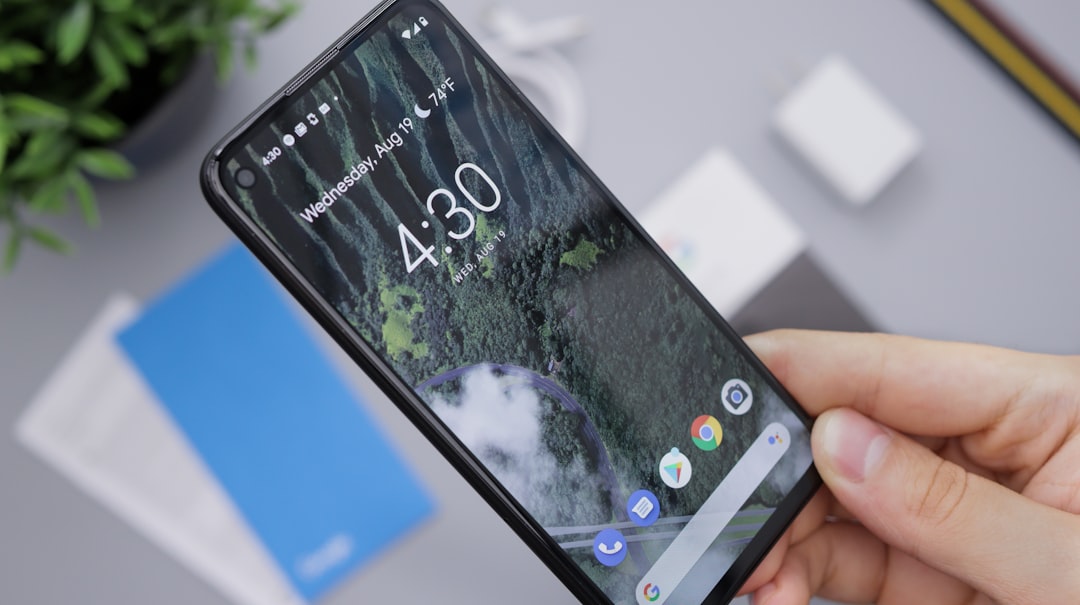
In Rhode Island, as across the nation, Do Not Call laws are designed to protect consumers from unwanted telemarketing calls. The Federal Trade Commission (FTC) enforces these regulations, which prohibit companies and law firms in Rhode Island from making prerecorded or automated calls to telephone numbers on the National Do Not Call Registry unless the caller has explicit consent. This means that if you've registered your number on the national list, robocallers, including law firm telemarketers, are legally prohibited from calling you.
However, despite these protections, robocalls persist, and many consumers fall victim to scams. To counter this, several robust apps designed to block or identify unwanted calls have emerged. These tools not only filter out spam but also provide users with insights into the caller's identity, helping them make informed decisions about whether to answer a call or block it outright. One notable example is TrueCall, which uses crowd-sourced data and AI algorithms to identify and block scam artists and telemarketers. Another popular option is Hiya, which offers a comprehensive database of known spam numbers and can predict which calls are likely to be scams based on caller behavior.
It's crucial for Rhode Island residents to understand their rights under the Do Not Call laws and to utilize these technological tools effectively. If you receive unwanted calls from law firms or any other entities, document the calls, including the date, time, and a record of the messages left. This information can be invaluable if you decide to file a complaint with the FTC or your state's attorney general. Remember, staying informed and proactive is key to protecting yourself in today's digital landscape filled with various types of fraudulent activity.
Staying Safe: Tips for Spotting and Reporting Scams

Staying Safe: Tips for Spotting and Reporting Scams
In today's digital age, robocalls have become an increasingly prevalent form of fraud, with scammers targeting Rhode Island residents as well. To protect yourself, it's crucial to stay informed and proactive. One effective strategy is to recognize the telltale signs of a scam before engaging. Robocallers often use automated systems to make mass calls, which can result in generic, nonsensical messages or unusual call patterns. For instance, if you receive a call from an unknown number that leaves a distorted or robotic message, it's a red flag.
Additionally, be wary of calls claiming emergency situations or offering too-good-to-be-true deals. Scammers frequently pose as government officials, banks, or legal entities to gain your trust. A recent trend involves Do Not Call law firms in Rhode Island being spoofed, leading to misdirected complaints. Always verify the identity of the caller by contacting the organization directly using official contact information. For instance, if you're unsure about a supposed court notification, reach out to the local court system to confirm.
Reporting scams is another vital step in protecting yourself and others. Many phone service providers offer tools for blocking unwanted calls, and reporting them to relevant authorities can help curb fraudulent activities. Rhode Island residents can use specialized apps that filter out robocalls or report suspicious activity directly from their phones. These apps not only enhance your personal safety but contribute to a broader effort to identify and disrupt scammer operations. By combining awareness, verification, and reporting practices, you can significantly reduce the risk of falling victim to robocall scams.