
Robocalls, automated calls from computers, are a widespread problem in Rhode Island, driven by marketing, debt collection, and political campaigns, some potentially fraudulent. The state's Telephone Consumer Protection Act (TCPA) regulates these practices, but scammers exploit loopholes with "spoofing." To combat this, the Federal Communications Commission (FCC) has implemented measures, and robocall lawyers offer guidance. Solutions include call-blocking apps, National Do Not Call Registry registration, and community education about emerging scams. A robocall lawyer in Rhode Island assists in blocking unwanted calls, representing clients in cases of repeated or illegal calls, and seeking compensation for distress or financial loss. Understanding rights and consulting a qualified attorney protects residents from abusive practices and safeguards privacy.
In today's digital era, robocalls have become a pervasive and often unwanted nuisance, with many citizens in Rhode Island falling victim to fraudulent or harassing calls. This growing concern has prompted the need for robust solutions to protect consumers from these intrusions. As a trusted authority in communication security, we present an in-depth guide to the most secure robocall app available for Rhode Island residents. Our expert review focuses on privacy features, call blocking technology, and user feedback, ensuring that residents have access to the best tools to combat unwanted calls and collaborate with reputable robocall lawyers Rhode Island has to offer when necessary.
Understanding Robocalls: Types & Legal Regulations in Rhode Island
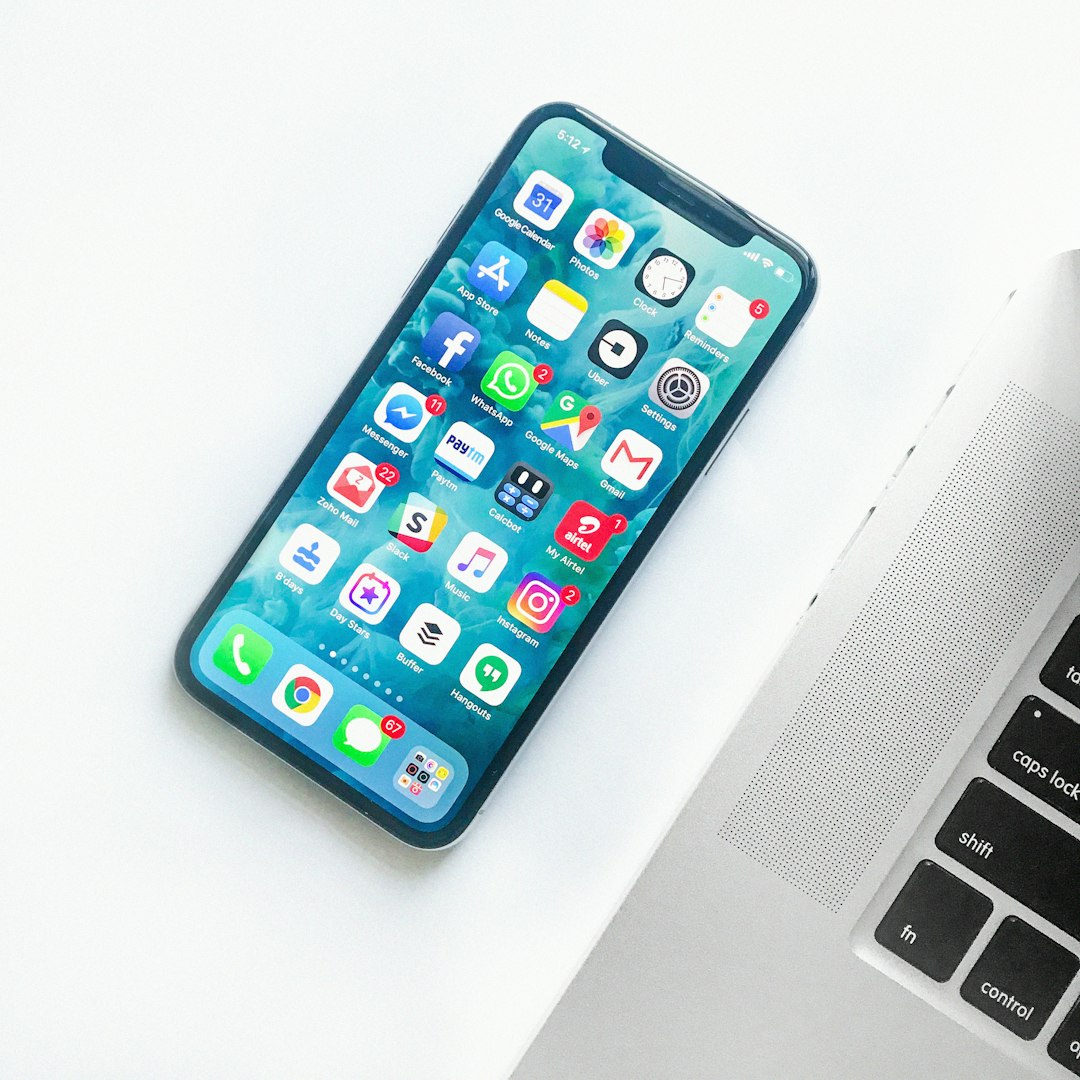
Robocalls, automated phone calls from computers, have become a pervasive issue nationwide, with Rhode Island residents facing varying types of unsolicited communication daily. Understanding these calls is crucial for effective protection. They can be categorized into three main types: marketing, debt collection, and political campaigns. While some may be harmless, others can indicate fraudulent activities or invasion of privacy. For instance, a recent study revealed that over 40% of robocalls in the US are spam, with many targeting sensitive personal information.
In Rhode Island, the Telephone Consumer Protection Act (TCPA) governs robocall practices, ensuring consumers' rights against unwanted calls. This legislation prohibits automated telephone equipment from initiating any call to a wireless phone without the prior express consent of the called party. It also requires companies to maintain detailed records of caller activity and provide an opt-out mechanism for recipients. For example, if you receive unsolicited robocalls promoting insurance services or timeshare opportunities, you have the legal right to file a complaint with the Rhode Island Division of Business Regulation. A robocall lawyer in Rhode Island can offer valuable guidance on navigating these regulations and protecting your rights.
Despite these laws, fraudsters continue to exploit loopholes, making it essential for consumers to stay informed. One common tactic is the use of automated systems to make calls that appear to come from local numbers, a practice known as "spoofing." This deceives recipients into believing the call is legitimate. To mitigate such risks, the Federal Communications Commission (FCC) has implemented measures, including requiring telephone number portability and providing consumers with tools to block unwanted calls. By staying informed about these developments and legal rights, Rhode Island residents can better protect themselves from malicious robocalls.
Identifying & Stopping Unwanted Calls: Tools & Strategies

In Rhode Island and across the nation, robocalls have become a pervasive and often intrusive problem. With advancements in technology, scammers and marketers are employing sophisticated methods to reach consumers, leading to an increase in unwanted calls. Identifying and stopping these nuisance calls is essential for maintaining peace of mind and protecting personal information. A robocall lawyer Rhode Island can offer specialized guidance on navigating this complex landscape.
One effective strategy involves utilizing call-blocking apps designed with advanced filtering capabilities. These tools learn to recognize patterns associated with automated calls, using machine learning algorithms to block or redirect them. Many popular options, such as TrueCall and Hiya, have proven successful in identifying and filtering out robocalls with high accuracy rates. For instance, a study by Hiya revealed that their app blocks over 50% of spam calls, significantly reducing the number of unwanted interactions.
Additionally, consumers can take proactive measures to minimize their exposure. The Federal Communications Commission (FCC) offers comprehensive resources and guidelines for combating robocalls. This includes registering on the National Do Not Call Registry, a powerful tool that restricts marketing calls from known companies. Moreover, staying informed about emerging scams and sharing awareness within communities can create a collective defense against these intrusions. A robocall lawyer Rhode Island recommends combining technological solutions with consumer education to establish robust defenses against unwanted calls.
When a Robocall Is Legal: Rights & Protections for Rhode Island Residents with a Robocall Lawyer
In Rhode Island, as across the nation, robocalls have become a persistent and often intrusive part of daily life. While many automated calls are legitimate—such as those from financial institutions or healthcare providers—others can be fraudulent or unwanted. Residents have specific rights and protections when it comes to robocalls, especially when they involve telemarketing or debt collection efforts. Understanding these legal frameworks is crucial for effective defense against nuisance calls.
When a robocall is made with proper disclosures and consent, it falls within legal boundaries. Federal laws like the Telephone Consumer Protection Act (TCPA) establish rules for robocallers, ensuring consumers' privacy and autonomy. In Rhode Island, a robocall lawyer can help residents navigate these complexities. For instance, if a company fails to obtain explicit consent before dialing, or if calls persist despite requests to stop, legal action may be warranted. Recent data suggests that numerous robocalls originate from unknown sources, indicating the need for heightened awareness and potential legal recourse.
A robocall lawyer Rhode Island can assist in several ways. They can advise on blocking unwanted calls through Do Not Call registries or advanced call-blocking technologies. Additionally, they can represent clients in cases of repeated or illegal robocalls, seeking compensation for any resulting distress or financial loss. By understanding their rights and enlisting the help of a qualified attorney, Rhode Island residents can protect themselves from abusive robocall practices and ensure their privacy remains intact in an increasingly digital age.