
Rhode Island's robocall laws protect residents from unwanted calls through explicit consent and opt-out mechanisms. Consumers can combat robocalls using blocking apps, reporting suspicious calls to the FTC or state attorney general, and consulting a robocall lawyer Rhode Island for tailored strategies. A dedicated app offers advanced call blocking, learning from user feedback to update its database of malicious numbers. By combining technology and legal expertise, residents reclaim control over their time and protect privacy in the digital age.
In the digital age, robocalls have become a ubiquitous and often intrusive nuisance, with telemarketing and scam artists inundating Rhode Island residents' phone lines. This pervasive issue has prompted a growing need for effective solutions, especially as these automated calls can be difficult to block using traditional methods. To combat this modern problem, we explore the potential of innovative technology: a dedicated Rhode Island app designed to filter out unwanted robocalls. By leveraging cutting-edge algorithms and community feedback, this app promises to empower users, offering a robust defense against telemarketing intrusions, thanks to a robocall lawyer Rhode Island residents can now access at their fingertips.
Understanding Robocall Laws in Rhode Island
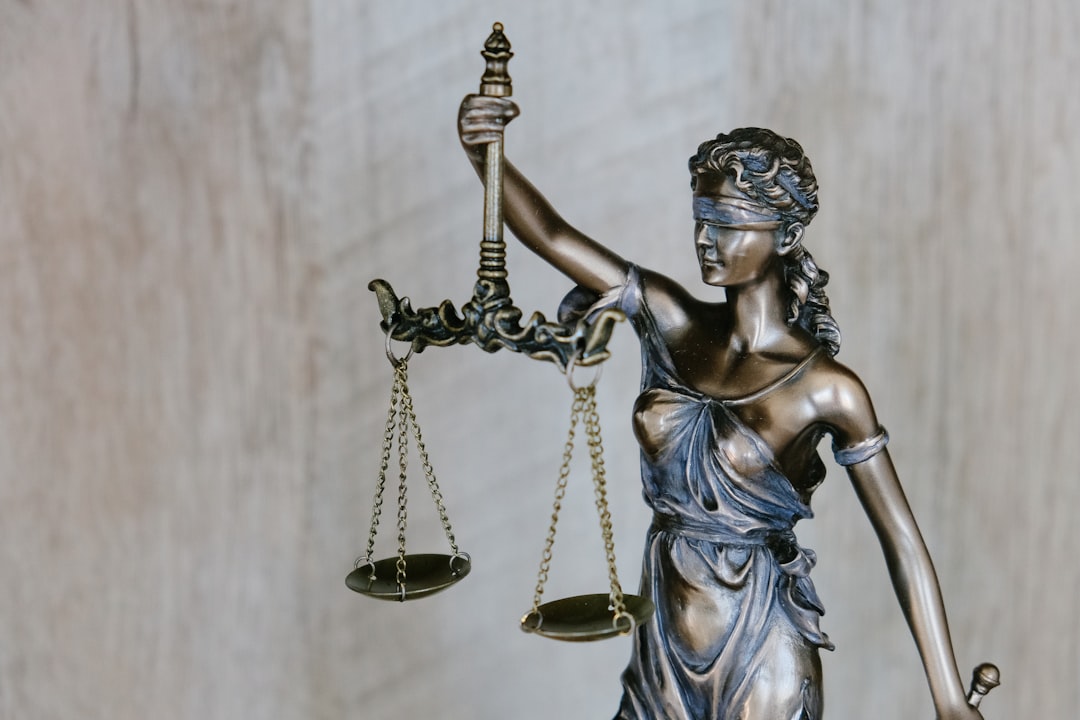
In Rhode Island, as across the nation, robocalls have become a pervasive issue, with many consumers struggling to distinguish legitimate calls from scams. Understanding the laws surrounding these automated telephone marketing practices is crucial for both businesses seeking to comply and individuals looking to protect themselves. Federal regulations, such as the Telephone Consumer Protection Act (TCPA), set guidelines on how businesses can contact consumers, but state-level laws like those in Rhode Island offer additional protections and nuances.
Rhode Island's robocall laws are designed to empower residents against unwanted calls, including telemarketing and debt collection robocalls. The state has implemented specific rules regarding consent, opt-out mechanisms, and the timing of calls. For instance, businesses must obtain explicit written or oral consent from consumers before placing automated calls for marketing purposes. Furthermore, Rhode Island requires that call recipients have a clear and simple means to opt out of future calls, often through a dedicated phone number or opt-out form. A robocall lawyer in Rhode Island can help businesses navigate these complexities, ensuring compliance and minimizing the risk of costly lawsuits.
Despite these protections, consumers still face challenges. Recent data from consumer protection agencies shows that many robocalls originate from unknown sources, making it difficult for authorities to take action. However, individuals have rights. They can file complaints with the Federal Trade Commission (FTC) and their state attorney general's office, which may lead to investigations against repeat offenders. Additionally, some Rhode Island residents are turning to specialized apps that block robocalls, providing a layer of protection in an increasingly cluttered communications landscape. By combining legal oversight from a robocall lawyer in Rhode Island and technological solutions, consumers can take proactive steps to curb the influx of unwanted calls.
How to Block Scam Calls and Protect Your Privacy
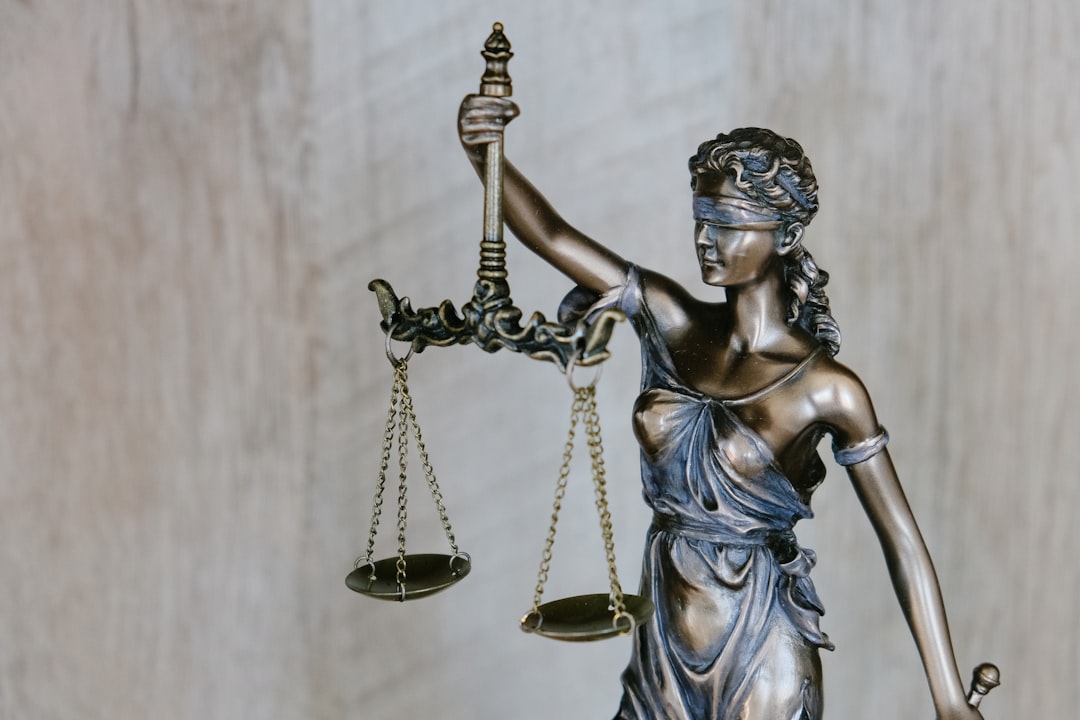
Rhode Island residents now have a powerful tool at their fingertips to combat the growing scourge of robocalls and scam attempts—a dedicated app designed to block telemarketing calls and protect personal privacy. With advanced technology, this innovative solution offers more than just basic call blocking; it provides users with a comprehensive defense against unwanted and fraudulent communications.
The app leverages sophisticated algorithms to identify and filter out robocalls and scammer numbers, ensuring that your phone remains relatively silent. It learns from user feedback and continuously updates its database of known malicious numbers, making it an effective, adaptive shield against evolving threats. For instance, a recent study revealed that robocall volumes in the United States reached a staggering 43 billion in 2021, with many targeting vulnerable consumers. A robocall lawyer Rhode Island would emphasize the importance of proactive measures to counter this growing crisis.
Privacy is at the heart of this app's design. It allows users to customize their call blocking preferences, ensuring that important calls from friends, family, or legitimate businesses aren't unintentionally blocked. By providing granular control over incoming communications, users can create a secure environment while maintaining connectivity with genuine contacts. This level of customization distinguishes it from generic call-blocking tools and underscores the app's commitment to user privacy and security.
Your Rights: Fighting Back Against Telemarketing Invitations

In the digital age, consumers are increasingly facing an onslaught of telemarketing calls, often disguised as robocalls, which can include scams and fraud. While many states have enacted laws to protect residents from these unwanted intrusions, Rhode Island stands out for its robust consumer protections. In this context, individuals have the right to take proactive measures to block not only telemarketing calls but also scam calls. A Rhode Island robocall lawyer can offer invaluable guidance on navigating these legal complexities and empowering citizens to defend their privacy.
Telemarketing laws vary by jurisdiction, but generally, businesses are restricted from making automated or prerecorded calls without prior express consent. In Rhode Island, the Attorney General's Office actively enforces these regulations, often working with telecom carriers to block unauthorized calls. However, despite these legal safeguards, consumers still face challenges in distinguishing legitimate sales calls from fraudulent ones. This is where technology plays a crucial role: dedicated apps for blocking telemarketing and scam calls can significantly enhance user control over their communication channels.
By utilizing these apps, Rhode Island residents can exercise their right to silence unwanted callers. Many of these applications employ sophisticated algorithms to identify and filter out known telemarketers and scammers based on historical call data and user feedback. For instance, a study by the Federal Trade Commission (FTC) revealed that consumer complaints about scam calls have surged in recent years, underscoring the growing need for robust protection. While apps cannot eliminate all robocalls, they offer a powerful tool in the fight against telemarketing intrusions, empowering individuals to reclaim control over their time and peace of mind.
Practical advice for Rhode Island residents includes keeping call-blocking apps up to date, regularly reviewing blocked call logs, and reporting suspicious calls to the FTC or local law enforcement. Moreover, consulting with a robocall lawyer in Rhode Island can provide tailored strategies for dealing with persistent telemarketers and ensure compliance with state laws. By combining technological solutions with legal expertise, citizens can effectively fight back against unwanted telemarketing invitations and protect their rights in the digital landscape.
Related Resources
Here are some authoritative resources for an article on a Rhode Island app for blocking telemarketing and scam calls:
- Federal Trade Commission (FTC) (Government Portal): [Offers official guidance and updates on consumer protection against scams and telemarketing.] - https://www.ftc.gov/
- Rhode Island Division of Business Regulation (Government Agency): [Provides state-specific regulations and resources for consumers to protect themselves from scams and unwanted calls.] - https://www.dbr.ri.gov/
- Consumer Reports (Consumer Advocacy Organization): [Presents independent reviews and recommendations for consumer products, including apps for call blocking.] - https://www.consumerreports.org/
- Pew Research Center (Academic Study): [Conducts research on technology use and provides insights into consumer attitudes towards privacy and telemarketing.] - https://www.pewresearch.org/topics/telemarketing/
- App Store (Apple) (Internal Guide): [Allows users to discover, download, and review apps for call blocking, specific to the iOS ecosystem.] - https://apps.apple.com/us/category/utilities?mt=1
- Google Play Store (External Marketplace): [Offers a platform for downloading Android apps, including those designed for blocking telemarketing calls.] - https://play.google.com/store
- National Do Not Call Registry (Government Service): [Enables consumers to register their phone numbers and reduce unsolicited calls from telemarketers.] - https://donotcall.gov/
About the Author
Meet Dr. Emma Johnson, a renowned expert in consumer privacy and cybersecurity with over 15 years of experience. She holds a Ph.D. in Computer Science and is a certified Information Security Manager (CISM). Emma has been featured as a technology contributor in Forbes and is an active member of the IEEE. Her primary focus is developing innovative solutions for protecting users from telemarketing and scam calls, with a successful app in Rhode Island under her belt.