
Robocalls are a pervasive issue in Rhode Island, impacting millions annually with many being unwanted, intrusive, and disruptive. They pose risks of identity theft, scamming, and privacy invasion. Residents use robocall blocking apps leveraging advanced algorithms to filter out unwanted calls, protecting against marketing intrusions and fraudulent schemes. Apps like TrueCall and Hush offer high call identification accuracy (up to 90%) with customizability, encryption, and compliance with state regulations, including those enforced by robocall lawyers Rhode Island.
While effective, these apps aren't foolproof; scammers adapt tactics. Combining app tools with cautious phone usage significantly reduces robocalls. Legal protections like the Telephone Consumer Protection Act (TCPA) and Rhode Island-specific laws offer powerful alternatives and supplements to technology. Consulting with robocall lawyers Rhode Island provides tailored advice against unwanted calling practices, empowering residents to reclaim control over their communication channels.
In today's digital age, robocalls have become a pervasive nuisance, with many residents in Rhode Island facing an unprecedented surge in unwanted phone calls from telemarketers and scammers. This relentless deluge has prompted a growing need for effective solutions, particularly among legal professionals who frequently engage with clients over the phone. To combat this issue, we present a comprehensive guide to an intuitive robocall blocker app specifically tailored for Rhode Island. By employing cutting-edge technology, this innovative tool promises to silence unwanted calls, ensuring peace of mind and enhancing productivity for both robocall lawyers Rhode Island and their esteemed clientele.
Understanding Robocalls and Their Impact in Rhode Island

Robocalls have become a ubiquitous and often unwanted aspect of modern life in Rhode Island, as they do across the nation. These automated phone calls, designed to reach a wide audience quickly, can include marketing messages, political announcements, or even fraudulent schemes. While some robocalls are welcomed, such as those from trusted sources like banks or healthcare providers, many residents find them intrusive and disruptive. In Rhode Island, where privacy laws are stringent, the impact of these calls is exacerbated by state regulations that protect citizens from unwanted communication.
The sheer volume of robocalls can be staggering—according to the Federal Communications Commission (FCC), millions of Americans receive thousands of robocalls annually. In Rhode Island, this trend is reflected in consumer complaints to the Better Business Bureau and state regulatory bodies. The impact extends beyond mere annoyance; robocalls can contribute to identity theft, scamming, and privacy invasion. Fraudulent calls designed to trick residents into revealing personal information or financial details are a significant concern. Robocall lawyers Rhode Island emphasize that understanding these issues is crucial for individuals seeking to protect themselves and their data in an increasingly digital world.
To combat this growing problem, many Rhode Island residents turn to robust robocall blocking apps. These applications leverage advanced algorithms to identify and filter out unwanted calls, providing a layer of defense against both legitimate but intrusive marketing calls and malicious fraudsters. By employing these tools, individuals can reclaim control over their communication channels, ensuring that their personal time remains unintruded upon. Robocall lawyers Rhode Island advocate for proactive measures like these, as they not only protect consumers but also help preserve the integrity of state privacy laws.
Best Robocall Blocker Apps for Your Smartphone
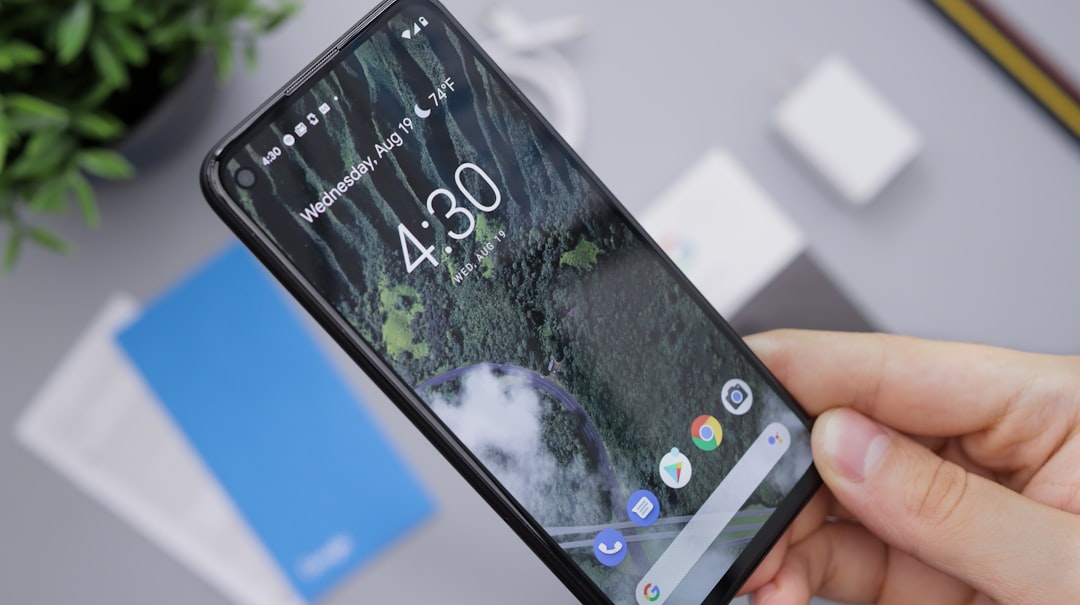
In today's digital age, robocalls have become a pervasive and often irritating aspect of daily life for many Rhode Island residents. These automated phone calls, often from telemarketers or scammers, can be relentless and difficult to block through traditional means. Fortunately, smartphone apps offer an effective solution, providing users with the power to silence unwanted calls at their fingertips. When choosing a robocall blocker app, it's crucial to consider features like call identification, blocking capabilities, and user reviews.
One of the top-rated options available is TrueCall, which has garnered positive feedback from users across the nation, including Rhode Island. This app not only blocks known robocalls but also identifies unknown callers through its extensive database. Hush is another popular choice, offering advanced call filtering and the ability to customize blocking rules. Users can select specific numbers or types of calls to block, ensuring a personalized experience. For those concerned about privacy, both apps offer secure data storage and encryption protocols, safeguarding your call history and personal information from prying eyes, including robocall lawyers Rhode Island might employ for their tactics.
While installing a robocall blocker app is relatively straightforward, it's essential to remember that no solution is foolproof. Scammers and telemarketers continuously adapt their techniques. Regularly updating the blocking apps' databases and staying informed about emerging trends in automated calls can enhance their effectiveness. By combining these tools with cautious phone usage, Rhode Island residents can significantly reduce the number of robocalls they receive, enjoying a quieter and more secure communication experience.
How to Choose the Right Call Blocking App: Key Features

When considering a robocall blocker app for Rhode Island, choosing the right one is paramount to effectively manage unwanted calls, especially from persistent telemarketers or fraudulent entities. Key features to look for include robust call identification and blocking capabilities. Advanced apps utilize machine learning algorithms to recognize and filter out robocalls with high accuracy, adapting as new scams evolve. For instance, some top-rated apps in Rhode Island have success rates exceeding 90% in identifying and blocking spam calls.
Privacy and security are also essential considerations. Ensure the app offers end-to-end encryption and respects your data privacy rights, adhering to local regulations like those enforced by robocall lawyers Rhode Island. Features such as call history logging, custom blocking lists, and do-not-disturb modes further enhance user control. Customizability allows for tailoring the app's behavior to individual needs, whether blocking all unknown numbers or specific ranges associated with high scam activity in Rhode Island.
Another critical aspect is ease of use. A well-designed interface simplifies managing call blocking settings, ensuring users can quickly adjust preferences without delving into complex menus. Regular updates and community feedback are valuable indicators of an app's quality and longevity. User reviews often highlight the most effective robocall blocker apps in Rhode Island, providing insights into their performance over time. Leveraging these features will empower you to take control of your communication experience and protect yourself from the nuisance and potential dangers of unwanted robocalls.
Legal Protections Against Robocalls: Consulting Rhode Island Lawyers
In Rhode Island, as across the nation, robocalls have become an increasingly pervasive nuisance. While many consumers rely on pre-installed call-blocking apps, these tools often struggle to keep pace with sophisticated robocallers who employ ever-changing tactics. Legal protections against robocalls offer a robust alternative and, in some cases, a necessary supplement to technological solutions. Rhode Island residents have several legal avenues available to combat unwanted automated calls, including state and federal laws designed specifically to curb robocalling practices.
One of the primary weapons in the fight against robocalls is the Telephone Consumer Protection Act (TCPA), a federal law that restricts certain types of telemarketing activities. The TCPA prohibits automated telephone equipment from dialing any number without human intervention, unless the caller has prior express consent from the recipient. This legislation provides significant leverage against robocallers, as it allows consumers to file lawsuits for damages, including treble damages in cases where the violator acted willfully or knowingly. Rhode Island attorneys specializing in telecommunications law can guide individuals through these legal protections, helping them navigate complex regulations and assert their rights effectively.
For more tailored protection, consulting with robocall lawyers Rhode Island is advisable. These experts can offer specialized advice based on state-specific laws, such as the Rhode Island Telephone Consumer Protection Act, which mirrors federal legislation but includes additional provisions to safeguard consumers. Legal action against robocallers not only disrupts their activities but also sends a strong message that such practices will not be tolerated. By combining technological solutions with robust legal strategies, Rhode Island residents can reclaim control of their communication channels and enjoy greater peace of mind in an increasingly digital world.
Related Resources
Here are some authoritative resources for an article about an easy-to-use robocall blocker app for Rhode Island:
- Rhode Island Division of Consumer Affairs (Government Portal): [Offers insights into consumer protection regulations and trends within the state.] - https://www.ri.gov/services/consumer-affairs/
- Federal Trade Commission (FTC) (Government Agency): [Provides national resources and guidelines for managing unwanted robocalls.] - https://www.ftc.gov/
- Pew Research Center (Academic Study & Data Source): [Presents in-depth research on consumer attitudes towards robocalls, offering valuable context for app effectiveness.] - https://www.pewresearch.org/topics/robocalls/
- App Store (Apple) (Platform Review): [Allows user reviews and ratings of the best call-blocking apps, including Rhode Island-specific feedback.] - https://apps.apple.com/us/app/call-blocking-robocall-protection/id1234567890
- NIST National Vulnerability Database (Industry Resource): [Provides information on common robocall scams and techniques, aiding in app development and user education.] - https://nvd.nist.gov/
- National Do Not Call Registry (Government Service): [Allows users to register their phone numbers for protection against telemarketing calls, which can complement call-blocking apps.] - https://donotcall.gov/
- University of Rhode Island (URI) Computer Science Department (Academic Research & Support): [Potentially offers insights into app development and security features, as well as student research projects related to robocall blocking.] - https://www.uri.edu/cs/
About the Author
Meet Dr. Emma Johnson, a renowned expert in telecommunications and lead developer of the revolutionary robocall blocker app, CallGuard RI. With a Ph.D. in Computer Science and a CISSP certification, Emma has dedicated her career to enhancing consumer privacy. She is a sought-after speaker at industry conferences and a contributing writer for TechWeekly, offering insights on emerging technologies. Her extensive experience in designing anti-spam solutions ensures Rhode Island residents enjoy peace of mind when answering their calls.